
%20you%20have%20the%20option%20to%20upgrade.%20This%20also%20lets%20you%20build%20a%20sy...
)

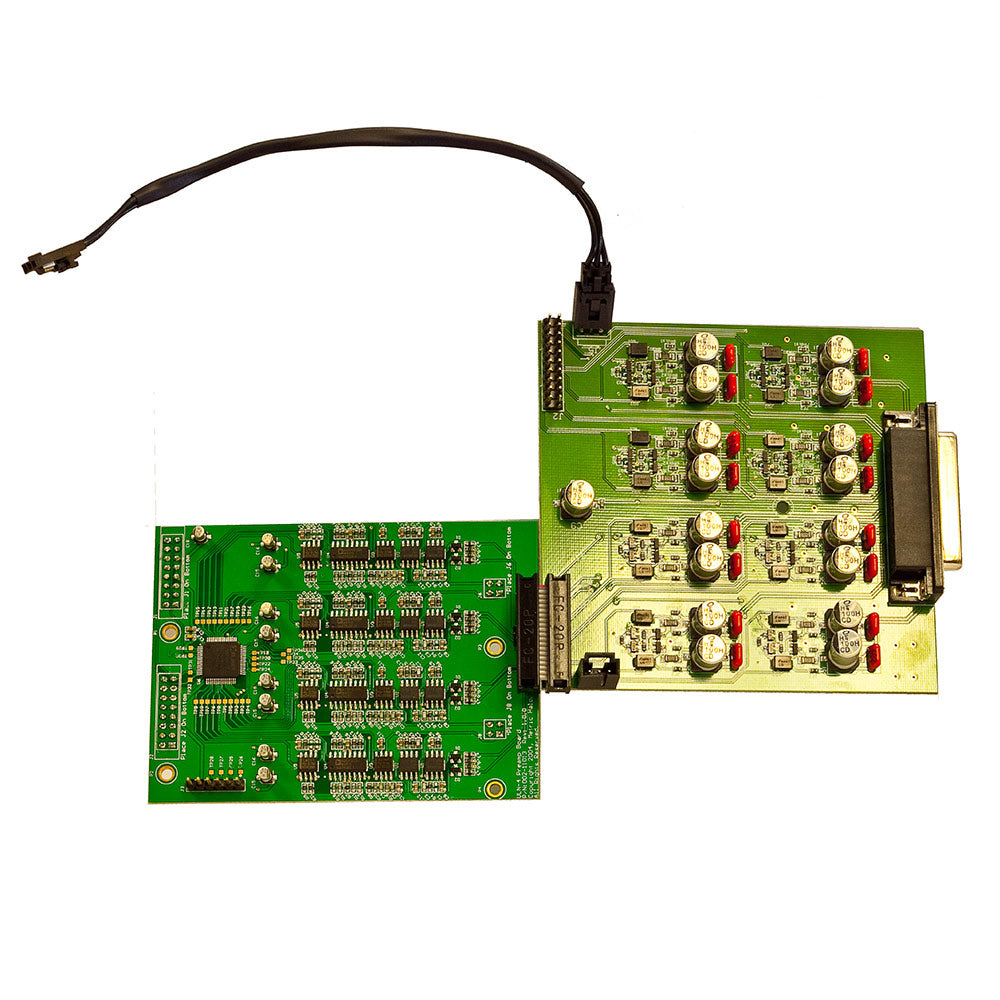
Metric Halo 4 Channel Preamp Kit for LIO8 (Channels 1-4)
Availability:
Special Order ItemThis item is not stocked and needs to be ordered from the manufacturer. Please contact our sales team for more information.
Description
You may find yourself needing pres after purchasing a LIO-8. Rather than forcing you to buy more gear (or sell your LIO to buy a ULN-8) you have the option to upgrade. This also lets you build a system over time; buy a LIO-8 today to get outstanding conversion and processing. Add four channels of ULN-R mic pres later, and another four after that. You can even add a +DSP license to your LIO-8 to tap into the full capabilities of the 2d card in your LIO-8. Another benefit of having the ULN-R mic pres onboard is that you can take advantage of the LIO's flexible signal routing to use the Mic and Line inputs with the Sends to create pre-A/D convertor insert points.
What's so great about the ULN-R pres?
The ULN-R mic pre possesses virtually every characteristic that is coveted in a Mic Preamp: exceptionally low noise at all gains, exceptionally high gain, excellent common mode and RFI rejection, incredibly flat frequency response, and ultra-low distortion. It simply increases the level of what you put into it without having to consider the nature of the source: Dynamic Mics, Phantom Powered Mics, Ribbon Mics, turntables, Instrument or line level signals are all handled with equal ease and quality.
| Rails | |
| Preamp Rails | ±15.8 Volts |
| Phantom Power | 48 ± 0.1 Volts |
| Max Phantom Current Per Mic | 10 ma |
| Mic Pre Input + ADC | |
| Input Impedance | 3.3 k |
| Dynamic Range (-60 dB, flat 0-22.05 kHz, typ) | 115 dB |
| Dynamic Range (-60 dB, A-weighted, typ) | 118 dB |
| Noise Floor (flat 0-22.05 kHz, typ) | 115 dB |
| Noise Floor (A-weighted, typ) | 117.9 dB |
| Gain Range | -22 dB to +91.5 dB |
| Gain Precision | ±0.05 dB |
| Gain Step | 0.5 dB |
| THD D/A/A/D loop @ -12 dBFS | 0.0007 % |
| THD D/A/A/D loop @ -12 dBFS +12 dB Gain | 0.0015 % |
| THD D/A/A/D loop @ -0 dBFS | 0.0023 % |
| Crosstalk @ 1kHz | -110dB |
| IMD 1k component (19 kHz/20kHz @ +8dBu) | -104 dBu |
| EIN @ 60 dB Gain (150 Source Impedance) | -130.50 dBu |
| EIN @ 60 dB Gain (0 Source Impedance) | -133.25 dBu |
| Analog Send Calibration (ADC = 0 dBFS) | +21.5 dBu |
| Phantom Power (Switchable Per Channel) | +48 Volts |
| Mic Pre + ADC Frequency Response | |
| +0/-0.1dB @ fs = 44100 Hz | 8.9 Hz - 20.5 kHz |
| +0/-1.0dB @ fs = 44100 Hz | 2.9 Hz - 21.0 kHz |
| +0/-0.1dB @ fs = 96000 Hz | 8.9 Hz - 43.9 kHz |
| +0/-1.0dB @ fs = 96000 Hz | 2.9 Hz - 45.4 kHz |
| +0/-0.1dB @ fs = 192000 Hz | 8.9 Hz - 42.1 kHz |
| +0/-1.0dB @ fs = 192000 Hz | 2.9 Hz - 64.7 kHz |
| 5¡ low-end in-channel phase deviation point | 20.0 Hz |
| Interchannel phase | 0 Hz - 20 kHz < ±0.05¡ |
| Crosstalk from SMPTE Input | < -142 dB |
You may find yourself needing pres after purchasing a LIO-8. Rather than forcing you to buy more gear (or sell your LIO to buy a ULN-8) you have the option to upgrade. This also lets you build a system over time; buy a LIO-8 today to get outstanding conversion and processing. Add four channels of ULN-R mic pres later, and another four after that. You can even add a +DSP license to your LIO-8 to tap into the full capabilities of the 2d card in your LIO-8. Another benefit of having the ULN-R mic pres onboard is that you can take advantage of the LIO's flexible signal routing to use the Mic and Line inputs with the Sends to create pre-A/D convertor insert points.
What's so great about the ULN-R pres?
The ULN-R mic pre possesses virtually every characteristic that is coveted in a Mic Preamp: exceptionally low noise at all gains, exceptionally high gain, excellent common mode and RFI rejection, incredibly flat frequency response, and ultra-low distortion. It simply increases the level of what you put into it without having to consider the nature of the source: Dynamic Mics, Phantom Powered Mics, Ribbon Mics, turntables, Instrument or line level signals are all handled with equal ease and quality.
| Rails | |
| Preamp Rails | ±15.8 Volts |
| Phantom Power | 48 ± 0.1 Volts |
| Max Phantom Current Per Mic | 10 ma |
| Mic Pre Input + ADC | |
| Input Impedance | 3.3 k |
| Dynamic Range (-60 dB, flat 0-22.05 kHz, typ) | 115 dB |
| Dynamic Range (-60 dB, A-weighted, typ) | 118 dB |
| Noise Floor (flat 0-22.05 kHz, typ) | 115 dB |
| Noise Floor (A-weighted, typ) | 117.9 dB |
| Gain Range | -22 dB to +91.5 dB |
| Gain Precision | ±0.05 dB |
| Gain Step | 0.5 dB |
| THD D/A/A/D loop @ -12 dBFS | 0.0007 % |
| THD D/A/A/D loop @ -12 dBFS +12 dB Gain | 0.0015 % |
| THD D/A/A/D loop @ -0 dBFS | 0.0023 % |
| Crosstalk @ 1kHz | -110dB |
| IMD 1k component (19 kHz/20kHz @ +8dBu) | -104 dBu |
| EIN @ 60 dB Gain (150 Source Impedance) | -130.50 dBu |
| EIN @ 60 dB Gain (0 Source Impedance) | -133.25 dBu |
| Analog Send Calibration (ADC = 0 dBFS) | +21.5 dBu |
| Phantom Power (Switchable Per Channel) | +48 Volts |
| Mic Pre + ADC Frequency Response | |
| +0/-0.1dB @ fs = 44100 Hz | 8.9 Hz - 20.5 kHz |
| +0/-1.0dB @ fs = 44100 Hz | 2.9 Hz - 21.0 kHz |
| +0/-0.1dB @ fs = 96000 Hz | 8.9 Hz - 43.9 kHz |
| +0/-1.0dB @ fs = 96000 Hz | 2.9 Hz - 45.4 kHz |
| +0/-0.1dB @ fs = 192000 Hz | 8.9 Hz - 42.1 kHz |
| +0/-1.0dB @ fs = 192000 Hz | 2.9 Hz - 64.7 kHz |
| 5¡ low-end in-channel phase deviation point | 20.0 Hz |
| Interchannel phase | 0 Hz - 20 kHz < ±0.05¡ |
| Crosstalk from SMPTE Input | < -142 dB |
Your home for all things pro audio—backed by expertise and experience. Connect with us today.
Your home for all things pro audio—backed by expertise and experience. Connect with us today.