

Our recent “What RF Looks Like Now” webinar brought together industry experts and leading manufacturers to unpack the realities of today’s wireless landscape — and what it means for integrators, engineers, and production teams moving forward. If there was one overarching theme, it was this: Wireless has become infrastructure.
The RF Landscape Has Permanently Changed
Over the past decade or so, major FCC spectrum reallocations — including the 700 MHz and 600 MHz band auctions — have significantly reduced the amount of usable UHF spectrum for wireless microphones and IEMs. The remaining core band (470–608 MHz) remains highly valuable — but it’s more crowded than ever.
The result? Reliable wireless performance now requires meticulous planning, coordination, and design. The “set it and forget it” approach is no longer viable.

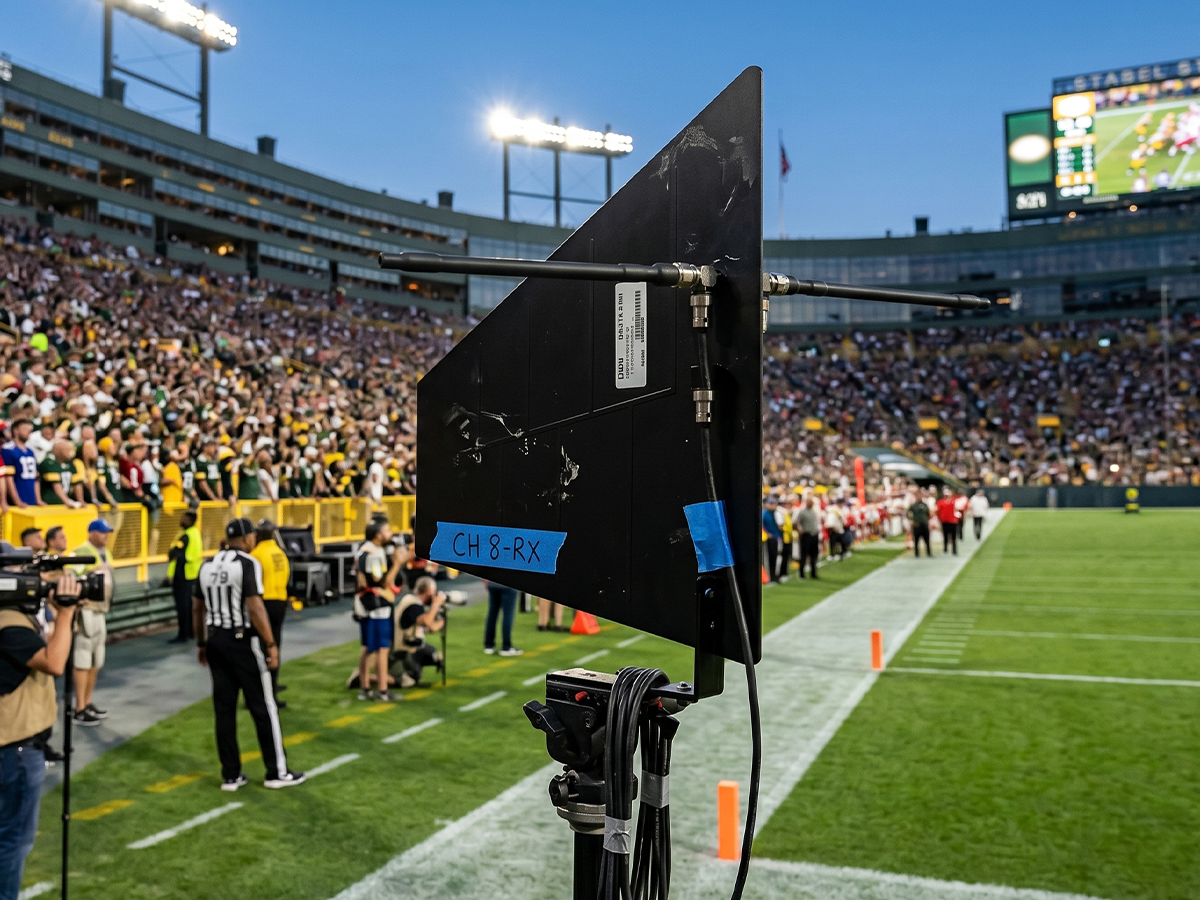
Coordination Is No Longer Optional - One of the strongest through-lines of the webinar was the importance of proactive frequency coordination. Successful deployments today require:
- Site-specific RF scans
- Intermodulation planning
- Careful channel spacing
- Awareness of mobile carrier proximity
- Strategic power management
Modern wireless systems are more capable than ever — but they demand more expertise in return.
There Is No “Perfect” Frequency Band
Lower frequencies propagate better but come with physical constraints. Higher frequencies offer flexibility but are more susceptible to interference and environmental impact.

Our manufacturer partners discussed how they’re responding with:
- Narrower channel bandwidth options
- Greater spectral efficiency
- Improved filtering
- Remote system management tools
- Higher-density digital transmission modes
In short, innovation is happening — but spectrum scarcity is here to stay.
Licensing Matters More Than Ever
The conversation also highlighted the operational advantages of FCC licensing, including higher allowable output power and better protection in congested environments.

For high-channel-count systems, touring productions, or mission-critical installs, licensing is increasingly a strategic consideration.
What This Means for You - Today’s RF success isn’t just about choosing the right wireless system — it’s about building the right strategy around it. That means:
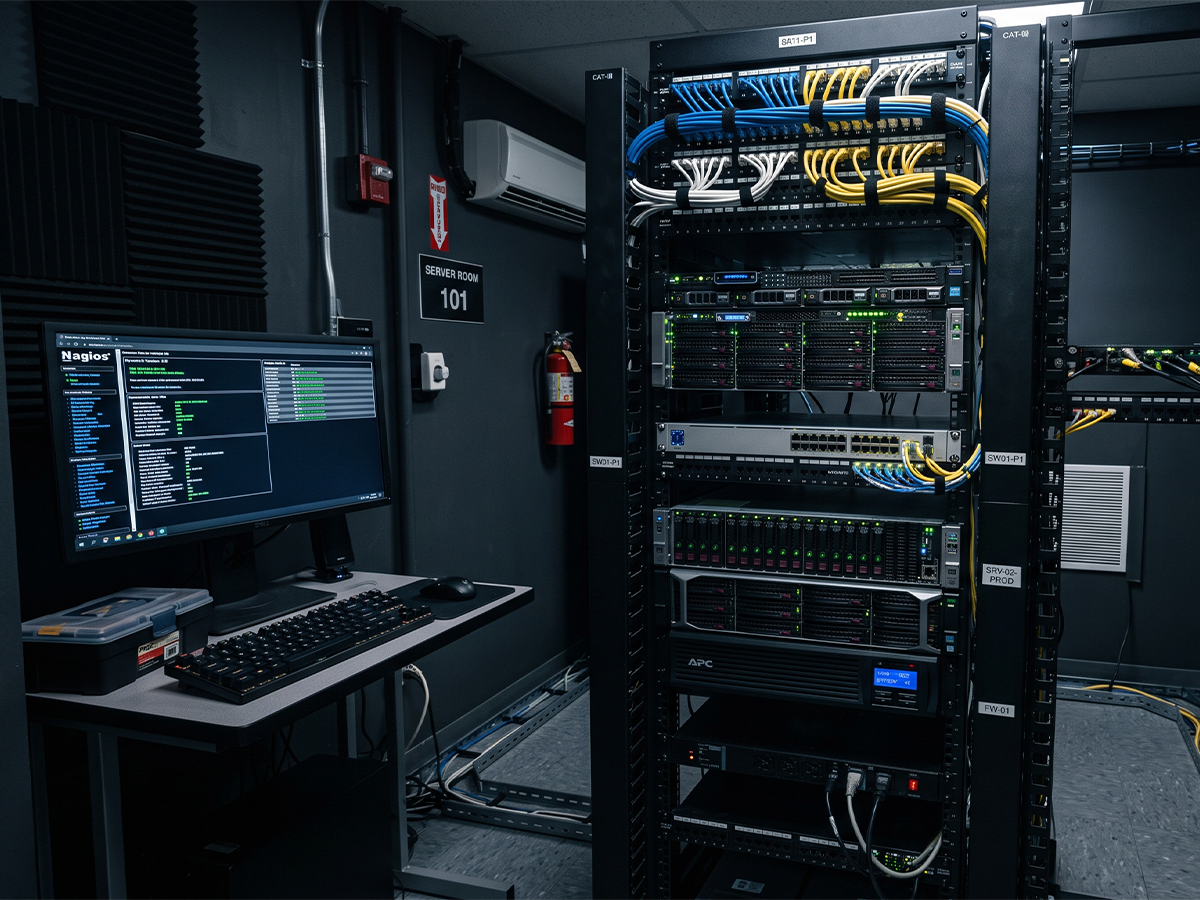
- Treating wireless as part of your core infrastructure
- Designing with flexibility in mind
- Planning for density and growth
- Working with partners who understand the regulatory and technical landscape
The takeaway is clear: the wireless environment may be more complex, but with the right planning and tools, it’s entirely manageable.
If you weren’t able to attend live — or would like to revisit the discussion — the full webinar recording is available below.
And as always, if you have questions about your specific RF environment or upcoming projects, our team is here to help.