

For a long time, the idea of networked microphones using RJ45 connectors seemed futuristic — even though the technology has actually been commercially available for more than a decade. In fact, Audio-Technica introduced the ATND971a networked microphone back in 2014. So why is adoption really beginning to accelerate now?
The answer comes down to three things: Dante/AoIP workflows, evolving technology, and greater relevance to the fact that the challenges these mics solve are now front and center in modern broadcast environments.
Today, modern “smart” microphones with on-board DSP and network connectivity are valuable tools that would be extremely difficult — if not impossible — to replicate with a traditional analog capsule and cable setup.

What is an IP-enabled DSP Microphone?
An IP-enabled microphone with DSP integrates network audio connectivity and advanced digital signal processing directly inside the microphone housing. These aren’t just transducers that simply capture sound and pass it down a cable — they’re sophisticated network endpoints.
Unlike traditional analog mics that rely on external preamps, mixers, and outboard processors, these microphones:
- Perform key processing such as beamforming, noise reduction, automatic gain control, and echo cancellation inside the device itself
- Output a clean, processed digital audio stream directly onto a network (most commonly Dante)
- Can be managed and monitored remotely using standard AoIP software
This leap — from analog “dumb capsule” to integrated DSP node — unlocks workflows that were previously cumbersome or cost-prohibitive.
Key Benefits in Modern Audio Workflows
1. Simplified Infrastructure & Increased Flexibility
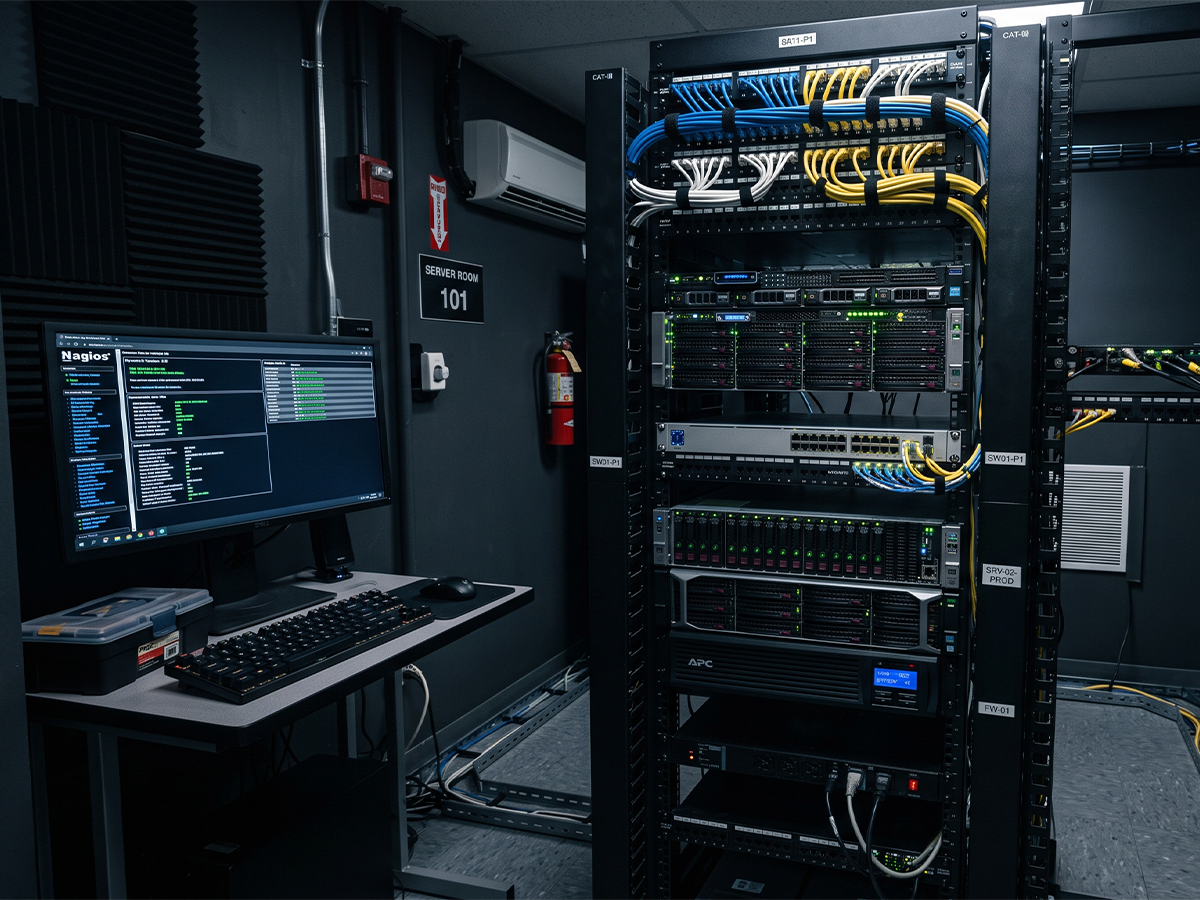
Traditional analog systems require heavy, color-coded multicore snakes and dedicated copper runs from stage or field positions back to the mixer — a costly, bulky, and failure-prone infrastructure.
IP-enabled microphones use Power over Ethernet (PoE) to deliver both power and audio through a single Cat5e/Cat6 RJ45 cable, which means:
- One cable instead of two (or more)
- Less cable clutter on set, in stadiums, and in studios
- Lower material and labor costs
- Easier maintenance and future re-routing
Moving to IP cabling also harmonizes with the growing networked audio infrastructure already present in many broadcast facilities.
2. Better and More Consistent Audio Quality
Traditional analog chains depend on routing through external preamps and consoles — meaning the signal has to survive:
- Long analog runs
- Multiple connection points
- External noise and interference
- Variability in analog drive
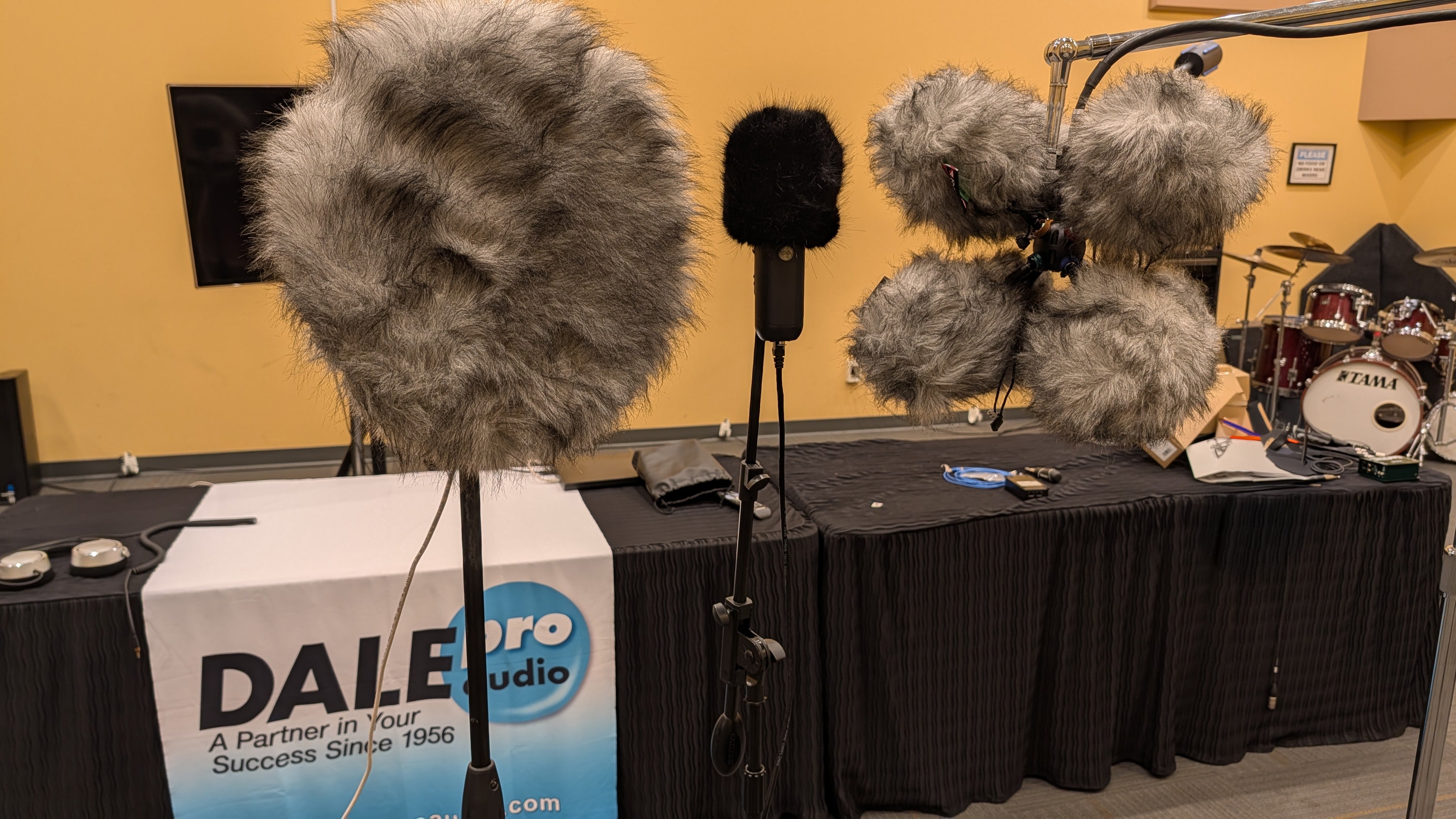
With mics like Voyage Audio’s Spatial Mic Dante and Shure’s new DCA901, the preamp sits inside the microphone, closely matched to the capsule, with minimal analog signal loss. DSP happens at the source, preserving clarity, reducing noise, and boosting reliability.
3. Advanced Directionality & Beamforming
These microphones — especially multi-element arrays — bring digital beamforming to the table, which means:
- The pickup pattern can be steered digitally to focus on a specific source
- Ambient noise and room reflections are handled much more effectively
- Mics can capture intelligible dialogue even in acoustically challenging environments
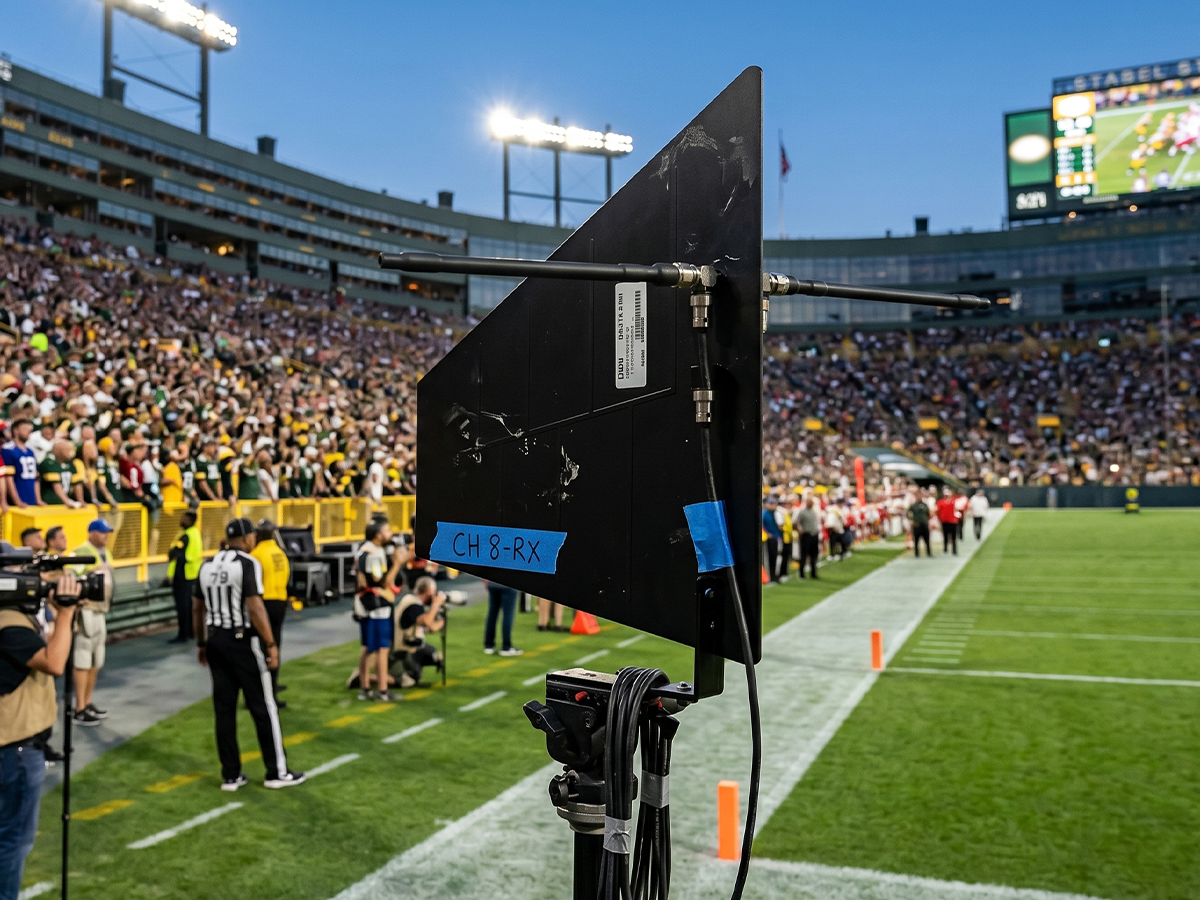
This is a game-changer for stadiums, arenas, live performances, and outdoor locations where crowd noise and ambient interference are the norm.
Everett Salyer from Shure notes: "In certain sports like basketball, hockey, and baseball, we can leverage Shure's free Action Isolator software and the mic's internal automixer to create a high-quality effects submix. We have done this successfully in several applications, and it allows the A1s to focus on aspects of the mix that may otherwise get overlooked".

4. Remote Configuration, Monitoring & Control
Because these microphones are integrated into the Dante network, operators can:
- Adjust pickup patterns
- Modify gain or element levels
- Enable or disable DSP functions like noise reduction or EQ
- Monitor health and performance via Dante Controller or other network tools
No more sending an A2 up to adjust a tiny physical knob. Workflows that once required physical access now happen remotely from a control room or broadcast truck.
| Use Case | Benefits |
| Sports Broadcasting | Flexible and discreet installation with tight pattern control |
| Live Performance Capture | Focused multi-channel audio capture ready for Dolby |
| Field Recording | Immersive audio capture with simplified cabling and no need for external preamps and other bulky hardware to manage |
These examples only scratch the surface of just how flexible networked microphones can be — and how much time, effort, and cost they can save in a variety of setups.
The Bottom Line: Why Now?
IP-enabled microphones aren’t exactly “new” — but the convergence of AoIP networking adoption, powerful DSP functionality, and real operational pain points in broadcast environments has aligned to make them not just interesting, but essential.

To that point, Voyage Audio co-founder Colin Ritchie notes: "What we have observed was not a trend. It’s a transition. Spatial microphones are moving from 'interesting' to 'expected,' not because they are new, but because they finally align with how modern productions actually operate.”
For professionals in sports, live events, broadcast production, and hybrid workflows, these tools are no longer niche curiosities — they’re real, reliable solutions that:
- Reduce infrastructure complexity
- Enhance audio quality
- Improve the user experience
- Provide remote control and configuration
- Fit naturally into modern networked audio ecosystems
Alongside our manufacturer partners, the Dale Pro Audio team has been at the forefront of helping customers successfully integrate IP-enabled microphones into their broadcast workflows. We’re here to answer any questions you may have—and in most cases, can arrange for a demo unit so you can get hands-on in the context of your specific use case.

For one example of the Voyage Audio Spatial Mic Dante in action, check out our partnership spotlight story featuring Jason Blood and how he used the mic to elevate the audio quality of Fox Sports’ Big Noon Kickoff show.

And for an example of the DCA901 in the field, broadcast engineer Marty Farrelly recently got to use the mic as a solution to the notorious challenges of covering baseball games - especially the area behind second base.