

Wow, it's been a decade? Over the last 10 years, as professionals living on the cutting edge of audio (try not to bleed), we have had the incredibly good fortune of working with a number of multichannel microphone companies and technologies. Here is a quick compilation of them!

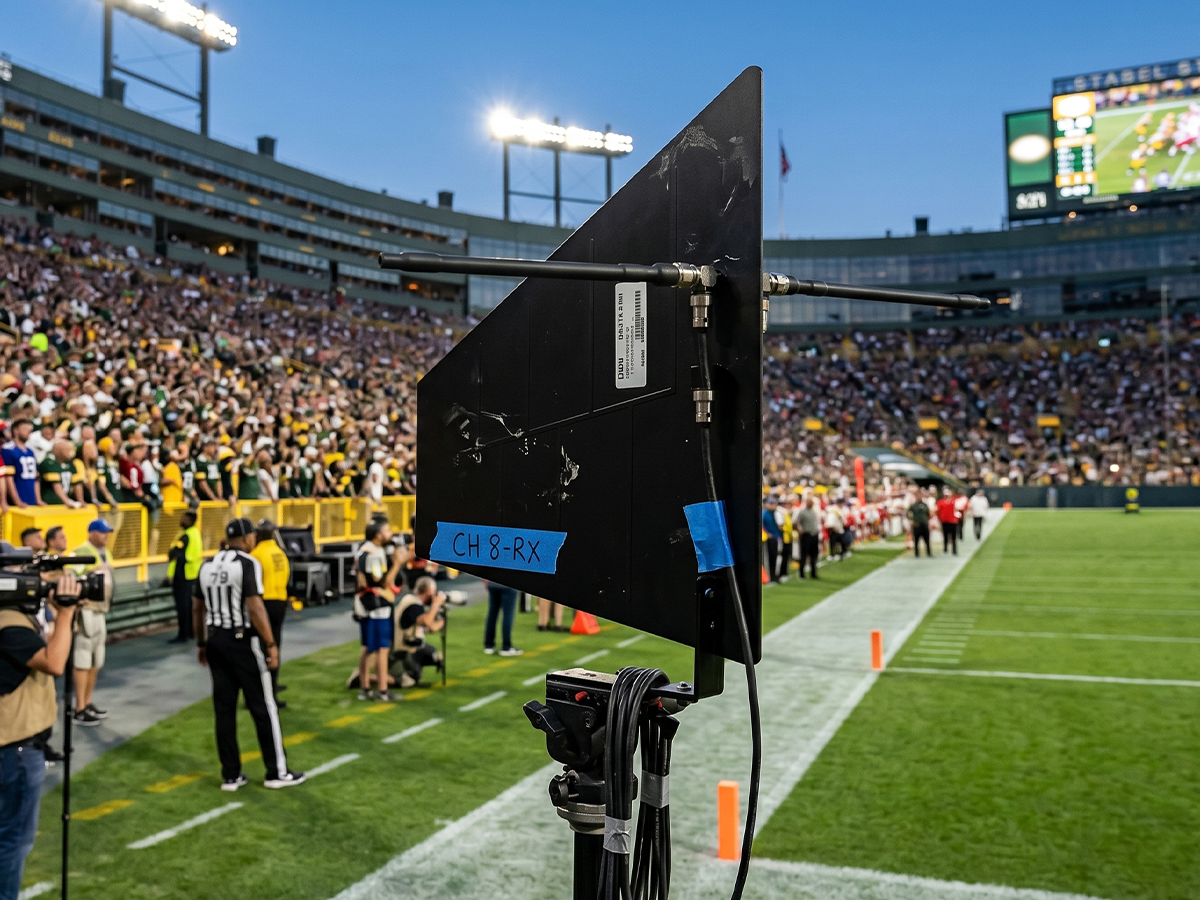
Soundfield ST450: The smallest, most robust of the Soundfield first-order ambisonic surround mics. It included a capsule heater that allowed use in extreme environments and could be run from battery power. A companion plugin allowed decoding of the b-format outputs in a workstation, to derive 5.1 or other patterns. These mics were installed extensively across infrastructure used in broadcast (stadia and the like) in the UK in the 2010s.

Audio Technica BP3600: This 8-channel, hyper-cardioid capsule-based mic was an easy way to enter the immersive arena - just plug in the 8 XLR ends (to channels of gain-matched preamps), and you’d have a no-processing feed that was very good at reproducing the space it was placed in.

Sennheiser Ambeo - This simple, lower-cost 4-channel mic allowed easy setup and A to B format decoding with a plugin. Sounded really good for reproducing shoe squeaks in basketball. Sennheiser had made increasingly larger immersive mics, including this 30+ capsule beast we jokingly called “The wagon wheel.”

Another entry from Soundfield - Whereas the ST450 was used in the field, the DSF-2 was used in the trucks. With a processing box and upmixer, this digital solution was used by a number of truck companies that wanted to capture and create a surround track in real-time events. Sounded pretty solid, especially the upmixer, which was specified (and some still request it!) without the mic by some mixers.
The Evolution
Here’s where the path started to veer much more to the digital vein. Broadcasters and their live sound specialist engineers began to experiment with mics with digital signal technology and analog-to-digital converters built right in. These mics were developed for AV conferencing, not necessarily the music and performance world - mics like the Sennheiser TeamConnect, the Audio-Technica ATND1061 (which offered automixing), and the ability to digitally create really tight pickup patterns from the multiple capsules outputs.
Today's Innovations

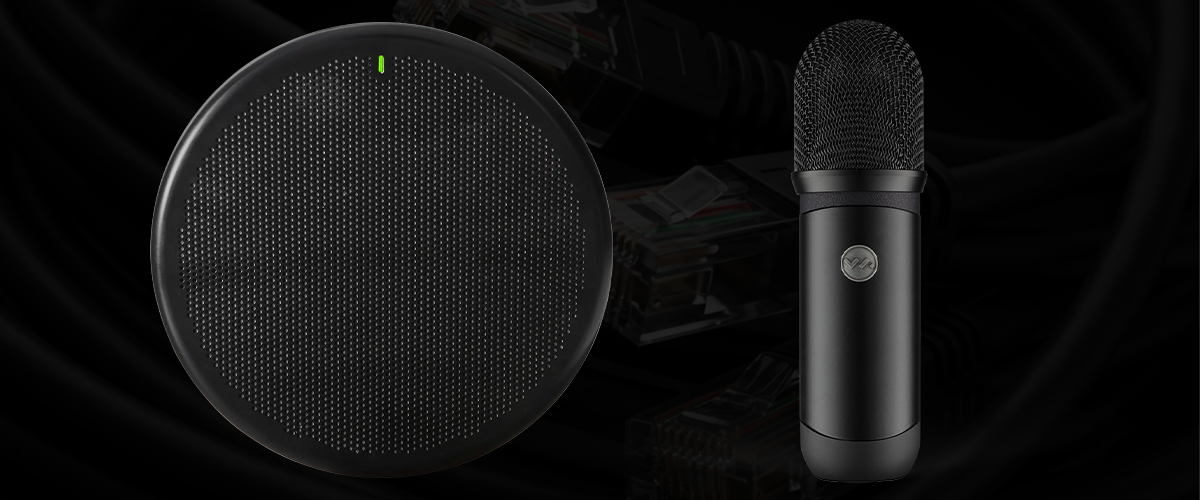
The Voyage Audio Spatial Mic, with its 8 traditional mic capsules combined with onboard DSP, combines the best of the 2nd order ambisonic mic format with Dante output or a number of selectable patterns, adjustable gain. Very easy to use GUI, its small body makes it easy to place.

Shure has taken its popular and well-proven conferencing mic technology and tailored it for the broadcast world with the DCA901. Its 12x Dante outputs allow you to tailor 8 individual nodes - as well as stereo or mono automix outputs. Very flexible with the ability to replace a variety of existing mics and digitally reconfigure a single mic for use with several different sports.
We're Sure This Is Only The Beginning...
We are excited for the future of this microphone technology - it’s changed a lot more from 2016-2026 than any previous decade (not to discount the differences between the Shure SM81 and the PG81, but the differences between the PG81 and the DCA901 - that’s pretty huge), and it’s just the beginning.